

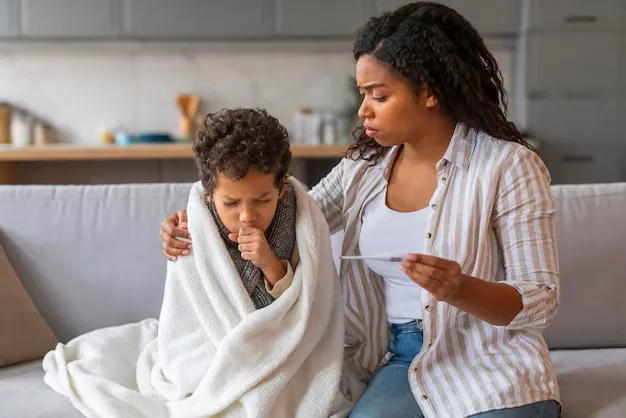
When Should You Worry About Your Child's Cough?
Hearing your child cough can be worrying, especially when it lasts for several days or becomes worse at night. In most cases, a child's cough is caused by a common cold or a mild viral infection and improves with proper rest, fluids, and home care. However, some types of cough may indicate a more serious health condition that requires medical attention.
As a parent, knowing the difference between a harmless cough and one that needs a doctor's evaluation can help you take the right steps without unnecessary panic. In this blog, we'll explain the common causes of cough in children, warning signs to watch for, practical home care tips, and when it's time to consult a pediatrician.
Why Do Children Get a Cough?
A cough is one of the body's natural defense mechanisms. It helps clear mucus, germs, dust, and other irritants from the airways, making it easier for children to breathe.
Children are more likely to develop a cough because their immune systems are still developing, and they are frequently exposed to viruses at school, daycare, playgrounds, and other public places. While most coughs improve within a week or two, a cough that is severe, persistent, or accompanied by other symptoms should never be ignored.
Common Symptoms That May Accompany a Cough
Depending on the underlying cause, a child may also experience:
- Runny or blocked nose
- Fever
- Sore throat
- Sneezing
- Mild chest discomfort
- Hoarse voice
- Difficulty sleeping due to coughing
- Tiredness or reduced appetite
Is Every Child's Cough Serious?
The simple answer is no.
Most coughs in children are caused by viral infections and usually improve without antibiotics. However, if the cough continues for several weeks, affects breathing, or is associated with a high fever or unusual symptoms, it is important to seek medical advice promptly.
Observing your child's breathing, energy levels, and overall health is often more important than the cough itself.
Common Causes of Cough in Children
A child's cough can develop for many different reasons. While most coughs are caused by viral infections and improve within a few days, some may be linked to allergies, asthma, or other medical conditions. Understanding the possible cause can help parents decide whether home care is enough or if a visit to the pediatrician is needed.
Below are some of the most common reasons why children develop a cough.
1. Common Cold
The common cold is one of the leading causes of cough in children. It is caused by viruses that affect the nose and throat. Along with a cough, children may have a runny nose, sneezing, mild fever, and sore throat.
Most children recover within 7 to 10 days with rest, fluids, and supportive care.
2. Flu (Influenza)
Influenza usually causes a more severe cough than the common cold. Children may also experience high fever, body aches, chills, headache, tiredness, and loss of appetite.
Early medical advice is important, especially for young children and infants.
3. Allergies
Some children develop a cough because of allergies rather than an infection. Dust, pollen, pet dander, mold, or smoke can irritate the airways and trigger coughing.
An allergy-related cough is often dry and may become worse during certain seasons or after exposure to allergens.
4. Asthma
Asthma can cause a persistent cough, especially at night or after running and playing. Some children may also experience wheezing, chest tightness, or difficulty breathing.
If your child has repeated episodes of coughing, a pediatrician may evaluate them for asthma.
5. Throat Irritation
Dry air, excessive shouting, smoke exposure, or pollution can irritate a child's throat and lead to coughing. Keeping your child hydrated and avoiding smoke exposure often helps reduce irritation.
6. Respiratory Infections
Conditions such as bronchitis or pneumonia may cause a cough that lasts longer and is often accompanied by fever, fast breathing, chest pain, or unusual tiredness.
These conditions require prompt medical evaluation and should not be treated only with home remedies.
Types of Cough and What They May Mean
| Type of Cough | Possible Cause |
|---|---|
| Dry cough | Viral infection, allergies, throat irritation |
| Wet cough | Cold, bronchitis, chest infection |
| Night-time cough | Asthma, allergies, postnasal drip |
| Barking cough | Croup (common in young children) |
| Persistent cough (more than 3 weeks) | Asthma, allergies, prolonged infection |
| Cough with wheezing | Asthma or airway narrowing |
Remember
Not every cough needs antibiotics. Since many coughs in children are caused by viruses, antibiotics are often unnecessary and should only be used when prescribed by a qualified pediatrician. Monitoring your child's symptoms and overall health is the best way to determine whether medical care is needed.
Home Care Tips for a Child's Cough
Most coughs caused by a common cold or mild viral infection improve with simple care at home. If your child's cough is mild and they are active, eating well, and breathing comfortably, these tips may help ease their symptoms while they recover.
1. Encourage Plenty of Fluids
Keeping your child well hydrated helps loosen mucus, soothes the throat, and supports faster recovery. Offer water, soups, coconut water, or other age-appropriate fluids throughout the day.
2. Make Sure Your Child Gets Enough Rest
A child's body heals more effectively with proper rest. Encourage quiet activities and ensure they get enough sleep to help their immune system fight the infection.
3. Use Warm Fluids
For older children, warm soups or warm water can help soothe an irritated throat and reduce coughing. Always ensure drinks are warm, not hot.
4. Keep the Air Clean
Avoid exposing your child to cigarette smoke, strong perfumes, incense, or dust, as these can make coughing worse. A clean, well-ventilated room is often more comfortable for children with a cough.
5. Maintain Good Hand Hygiene
Many coughs are caused by viral infections that spread easily. Encourage regular handwashing with soap and water, especially after coughing or sneezing and before meals.
6. Follow the Doctor's Advice
If your pediatrician has prescribed medication, give it exactly as directed. Do not stop or change the medicine without medical advice, even if your child starts feeling better.
Things Parents Should Avoid
Some common practices may do more harm than good. Avoid the following:
- Giving antibiotics without a doctor's prescription.
- Using cough medicines meant for adults.
- Sending your child to school if they have fever or feel unwell.
- Exposing your child to cigarette smoke.
- Ignoring a cough that continues for several weeks.
- Giving home remedies that are not suitable for your child's age.
Simple Daily Habits That Support Recovery
- Encourage your child to drink enough fluids.
- Serve healthy, balanced meals.
- Allow plenty of rest and sleep.
- Keep your home smoke-free.
- Teach your child to cover their mouth while coughing or sneezing.
- Wash hands regularly to reduce the spread of infections.
- Monitor your child's symptoms each day.
Parent Tip
A cough is a symptom, not a disease. Instead of focusing only on the cough, pay attention to your child's overall condition. If they are breathing comfortably, staying hydrated, and remaining active, the cough will often improve with time. However, if symptoms become worse or new warning signs appear, consult a pediatrician without delay.
When Should You Worry About Your Child's Cough?
Most coughs in children improve within one to two weeks and are not a cause for concern. However, there are situations where a child's cough may be a sign of a more serious illness that requires medical attention. Recognizing these warning signs early can help prevent complications and ensure your child receives timely treatment.
If your child's cough is becoming more frequent, lasts longer than expected, or is affecting their breathing or daily activities, it is important to consult a pediatrician rather than relying only on home remedies.
Warning Signs Parents Should Never Ignore
Seek medical advice if your child:
- Has a cough that lasts longer than two to three weeks.
- Has a high fever that does not improve.
- Is breathing rapidly or has difficulty breathing.
- Makes a wheezing or whistling sound while breathing.
- Has chest pain while coughing.
- Coughs so much that it causes vomiting repeatedly.
- Refuses to eat or drink because of the cough.
- Appears unusually tired, sleepy, or less active.
- Has blue lips or fingertips.
- Coughs up blood (even a small amount).
These symptoms should always be evaluated by a qualified pediatrician.
When Should You Visit a Pediatrician?
While many coughs can be managed at home, a medical examination is recommended if your child's symptoms continue or become worse.
You should schedule a pediatric consultation if your child:
- Is younger than 3 months and develops a cough.
- Has a cough that interferes with sleep every night.
- Experiences repeated episodes of coughing throughout the year.
- Has asthma, allergies, or another long-term medical condition.
- Is not improving after several days of home care.
- Has poor appetite, reduced fluid intake, or signs of dehydration.
An early evaluation can help identify the underlying cause and prevent minor illnesses from becoming more serious.
What Will the Pediatrician Check?
During the consultation, your pediatrician may:
- Review your child's symptoms and medical history.
- Listen to the lungs using a stethoscope.
- Check breathing rate and oxygen levels.
- Examine the throat, ears, and nose.
- Assess hydration and overall health.
- Recommend investigations only if clinically necessary.
- Suggest the most appropriate treatment based on the diagnosis.
Most children recover with simple supportive care, and not every cough requires antibiotics.
Helpful Resources for Parents
If your child continues to have cough symptoms, you can also learn more about our General Pediatric Consultation service for a complete evaluation.
Parents who wish to read trusted health information can visit the World Health Organization (WHO) for guidance on respiratory infections and child health.
Conclusion
Caring for Your Child's Cough with Confidence
A child's cough is often part of a common viral illness and usually improves with rest, fluids, and supportive care. While most coughs are not serious, parents should pay close attention to warning signs such as difficulty breathing, persistent fever, poor feeding, or a cough that lasts longer than expected.
Knowing when to manage symptoms at home and when to seek professional medical care can make a significant difference in your child's recovery. If you have any concerns about your child's cough or overall health, don't wait for symptoms to worsen. Early medical advice can help identify the cause and ensure your child receives the right treatment at the right time.
If your child has a persistent cough or recurring respiratory symptoms, our General Pediatric Consultation service is here to provide comprehensive evaluation, accurate diagnosis, and personalized care for your child's health and well-being.
Medical Disclaimer
This article is intended for educational purposes only and should not be considered a substitute for professional medical advice, diagnosis, or treatment. If your child has persistent cough, breathing difficulties, high fever, or any concerning symptoms, please consult a qualified pediatrician promptly.